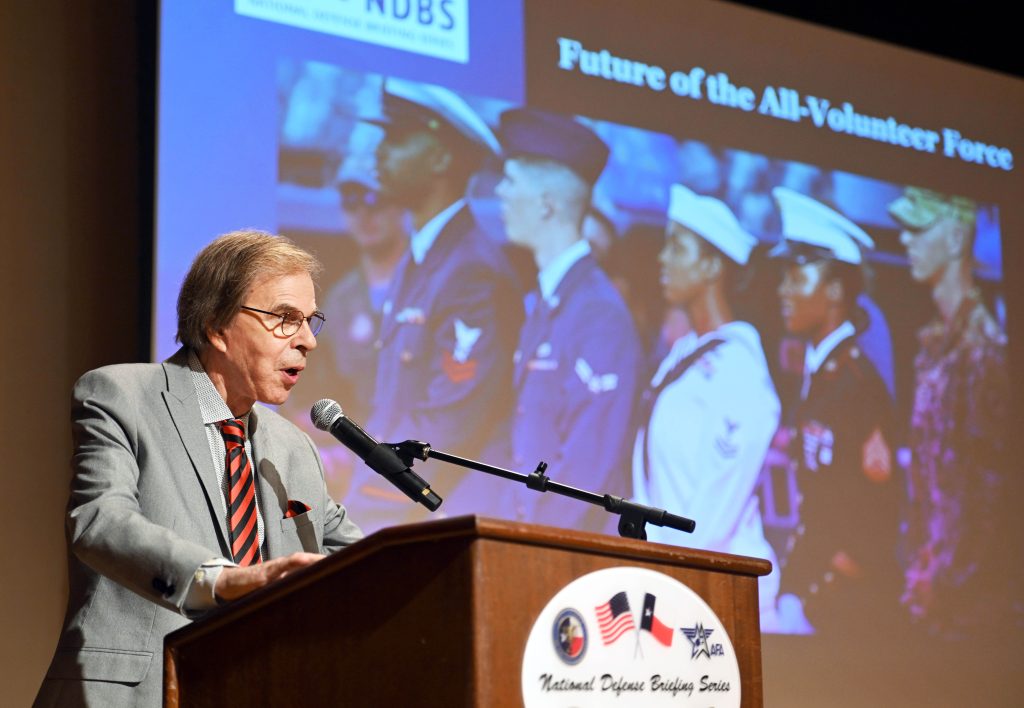
Future of the All-Volunteer Force
The All-Volunteer Force (AVF) is now in its 51st year and by most measures has been successful, producing a high quality, combat-effective force that has performed superbly across the spectrum of conflict, from the waning days of the Cold War, to the short, high-intensity conflict of Desert Storm to the prolonged low-intensity wars in Afghanistan and Iraq. With the emphasis now shifting back to global peer competition with the growing possibility of major regional conflicts, there is no reason to think that the AVF would not continue to perform superbly from a military perspective.
There are, however, storm clouds on the horizon. Recruiting the numbers of young men and women required to sustain the AVF has been difficult. The shortfalls reflect short-term environmental factors such as low unemployment, but more seriously, long-term societal trends such as a declining trust of all government institutions and doubts about the role of the United States in the world order.
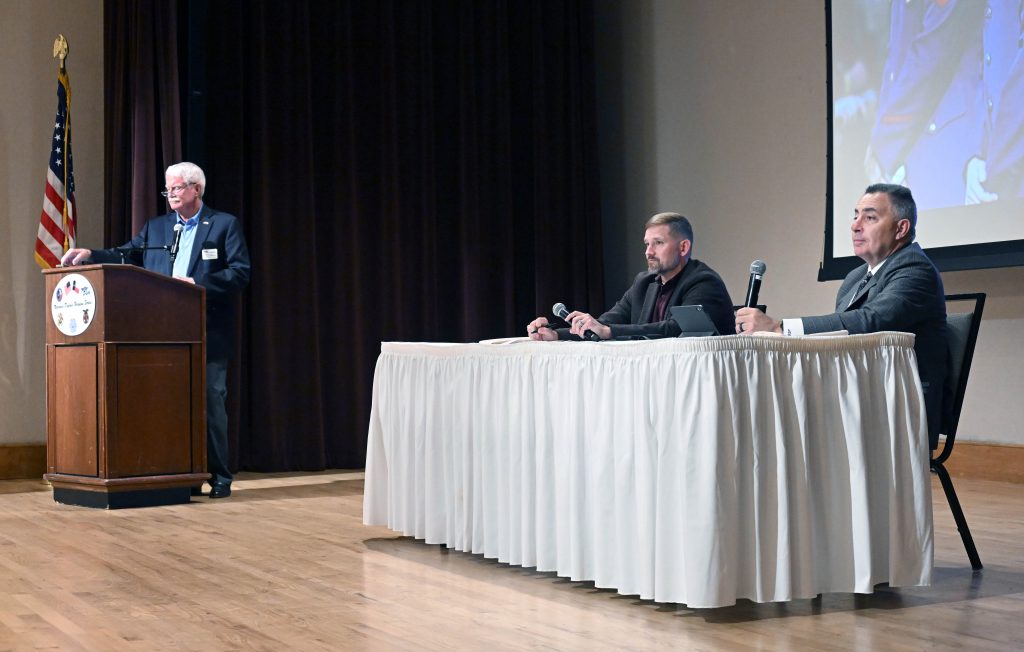
The panel will discuss the causes and near-term solutions, as well as models used by other nations and long-term options open to the United States.
U.S. Army photo titled 2ID Recon taken by Petty Officer 1st Class Marton Anton Edgil